Premenstrual Syndrome (PMS) is a common condition that involves hormonal fluctuations. These changes trigger disruptive symptoms in many women during the one to two weeks before menstruation. They occur during the luteal phase of the menstrual cycle. During this time, shifting levels of estrogen and progesterone influence both physical and emotional responses. Symptoms typically resolve once menstruation begins. Most women remain symptom-free until the next cycle. PMS affects many women of reproductive age. Symptom severity varies widely. In some cases, symptoms interfere with daily functioning. These cyclical changes reflect shifts in hormonal signaling. They influence both physical processes and emotional regulation throughout the menstrual cycle.
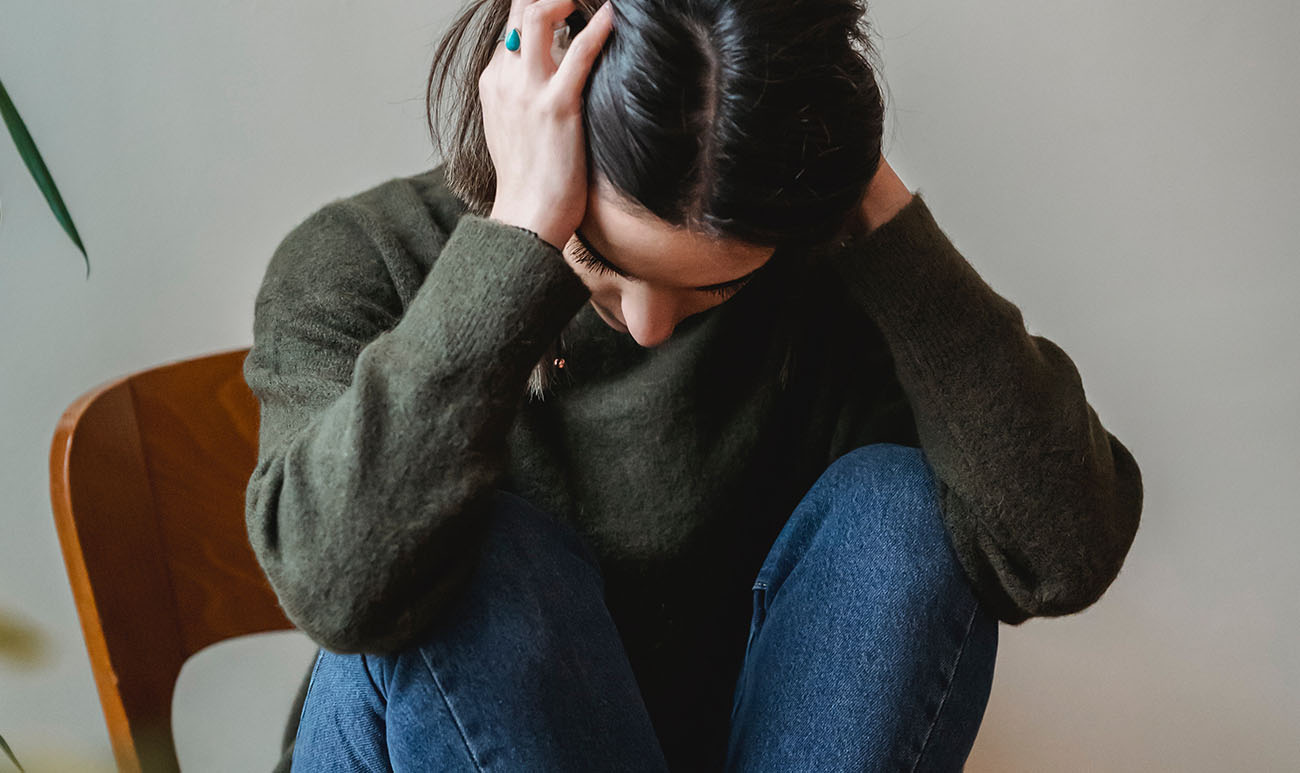
PMS includes a wide range of physical and emotional symptoms, such as breast tenderness, bloating, fatigue, headaches, food cravings, sleep disturbances, irritability, and mood changes. The type, intensity, and duration of symptoms vary from month to month. Some women experience only mild discomfort. Others develop symptoms that affect work, relationships, and overall quality of life. In more severe cases, Premenstrual Dysphoric Disorder (PMDD) develops. It causes pronounced mood changes that interfere with daily functioning and emotional stability. This variability can make PMS difficult to anticipate and manage without a consistent treatment approach.
The exact cause of PMS is not fully understood. Researchers commonly link it to hormonal fluctuations, stress, and nutritional or metabolic factors. Conventional treatment typically focuses on symptom relief through medications and additional symptom-targeted measures. From a Traditional Chinese Medicine perspective, PMS reflects patterns of qi stagnation. These patterns disrupt the smooth flow of energy and affect both physical and emotional balance. Acupuncture and Chinese herbal medicine help regulate the menstrual cycle, support ovulation, and calm the nervous system. Combined with individualized dietary and lifestyle guidance, this approach offers a natural way to address underlying imbalances, support hormonal regulation, and promote long-term menstrual and overall health.