In addition to acupuncture, Oriental Medicine includes a range of therapeutic techniques that support the body’s natural healing processes. These methods may be incorporated into your individualized treatment plan.
Auricular Acupuncture
Auricular acupuncture views the outer ear as a microsystem of the entire body, with points corresponding to major organs and anatomical structures. By stimulating precise ear points with fine needles, this technique influences both physical and neurological pathways. It is effective for pain management, musculoskeletal concerns, and internal imbalances. Because specific ear points connect with areas of the brain, auricular acupuncture also calms the nervous system, reducing stress, anxiety, and cravings. A specialized protocol known as the NADA technique is commonly used in addiction recovery programs to support emotional regulation and behavioral balance.
Moxibustion
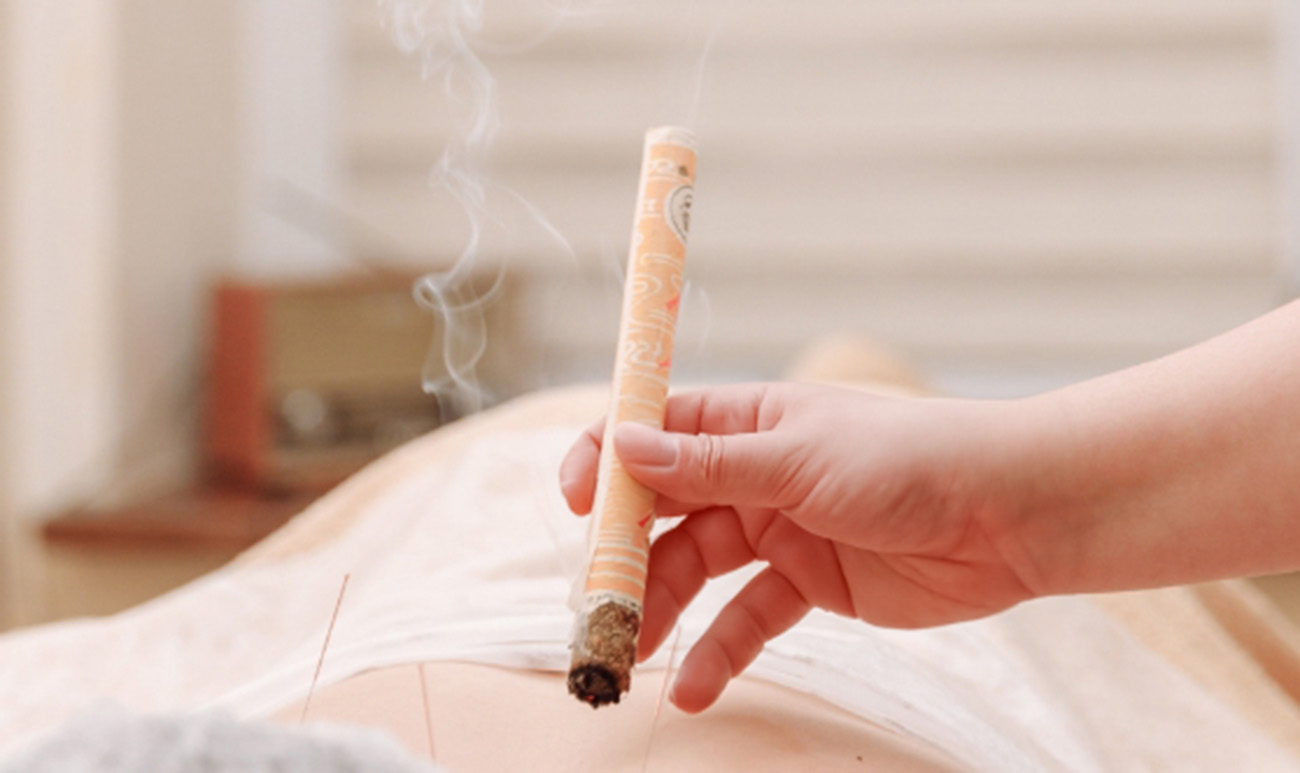
Moxibustion is a warming therapy that uses the herb mugwort to heat and stimulate acupuncture points. It may be applied independently or alongside acupuncture. The heat penetrates deeply into the body, promoting circulation and supporting the smooth flow of qi and blood. It is especially beneficial for conditions characterized by cold, deficiency, or stagnation, including certain pain disorders, digestive concerns, and women’s health conditions.
Cupping
Cupping therapy uses specialized cups to create gentle suction on the skin, drawing tissues upward to stimulate circulation, release muscular tension, reduce inflammation, and encourage lymphatic flow. It is commonly used for back, neck, and shoulder discomfort, as well as respiratory and systemic conditions. Cups may remain stationary or move across the skin to release deeper layers of tension and improve mobility. Temporary circular marks may appear after treatment — these are not bruises, but signs of increased circulation that typically resolve within several days.
Gua Sha
Gua sha involves gently gliding a smooth-edged instrument across lubricated skin to promote circulation, disperse stagnation, and bring fresh, oxygenated blood to the surface, supporting tissue repair and reducing inflammation. It is commonly applied to areas of muscular tension and may also address respiratory, digestive, and circulatory concerns. Temporary redness, known as sha, may appear following treatment. It is generally well tolerated and often deeply relieving.
Each of these modalities may be used independently or combined, depending on your presentation and therapeutic goals. This approach allows care to evolve with you, supporting steady progress toward sustained health and vitality.