

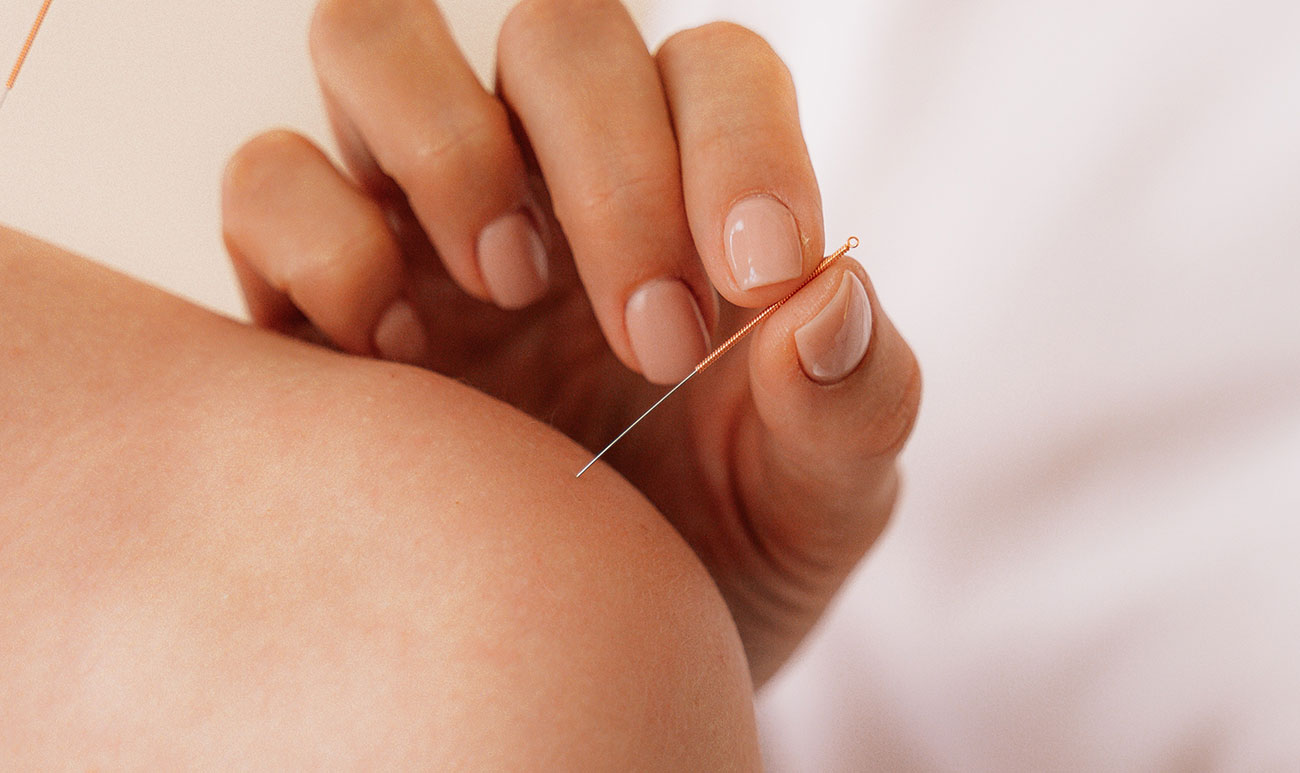
Acupuncture is a branch of Traditional Chinese Medicine, a holistic healing system that originated in China over 3,000 years ago. It is one of the oldest continuously practiced systems of medicine in the world and has endured for a simple reason — it works. Today, acupuncture is used by nearly a quarter of the world’s population, primarily in Asia, and its popularity continues to grow rapidly in the West as research validates its effectiveness and integration into mainstream healthcare expands.
The Foundations of Acupuncture
Acupuncture is rooted in the belief that all living beings possess vital energy, known as qi. In Traditional Chinese Medicine, the smooth and abundant flow of qi throughout the body is central to overall health. Over thousands of years of clinical observation, Chinese medicine mapped a network of pathways called meridians through which qi flows, connecting organ systems to every part of the body, including the muscles, bones, and joints.
The ancient Chinese also recognized that every living thing is sustained by two opposing yet complementary forces called yin and yang. In Chinese medicine, health reflects their dynamic balance, both within the body and in harmony with the external environment. When qi flows smoothly through the meridians, the organs and tissues stay nourished and balanced. However, when qi becomes obstructed due to illness, physical or emotional trauma, environmental factors, or lifestyle choices, the body’s innate balance is disrupted and disease may arise. Restoring balance allows health to return.
How Does Acupuncture Work?
Acupuncture restores balance by optimizing the flow of qi through specific points along the meridians. Fine, sterile, disposable needles are gently inserted to elicit a therapeutic response, directing qi where it is needed and relieving areas of stagnation or excess. In this way, acupuncture taps into the body’s innate healing abilities. It aims not only to eliminate symptoms, but to address their underlying cause. Beyond the chief complaint, patients often experience deep calm and well-being, restful sleep, increased energy, a greater ability to handle stress, and an overall improved vitality of body, mind, and spirit.
Acupuncture and Modern Science
The World Health Organization recognizes acupuncture as effective for over forty conditions, ranging from anxiety to osteoarthritis. Research from the National Institutes of Health has also established its benefits for post-operative pain and chemotherapy-induced nausea. Modern imaging techniques, such as functional MRI, show measurable activation of specific areas of the brain when acupuncture points are needled.
Recent research suggests acupuncture facilitates the flow of oxygen-rich blood, removes obstructions in the muscles and nerves, triggers hormonal release, and relaxes the nervous system. Studies show that acupuncture stimulates the central nervous system to release pain-relieving chemicals into the muscles, spinal cord, and brain. It also activates the hypothalamus and pituitary glands, which regulate the nervous and endocrine systems, essential hormones, and functions such as sleep, temperature regulation, and appetite.
Acupuncture further influences the release of neurotransmitters and neurohormones, including endorphins and serotonin. Endorphins are the body’s natural painkillers, released in response to pain and stress. Serotonin supports pain relief and plays a key role in mood, emotion, and behavior. Together, these effects help explain how acupuncture can address not only physical conditions, but psychological concerns such as anxiety and depression.
By engaging the nervous, endocrine, circulatory, reproductive, and digestive systems, acupuncture generates profound changes in the body’s ability to self-regulate and heal. This makes it a highly effective, natural, drug-free option for many conditions that do not respond well to conventional Western care.